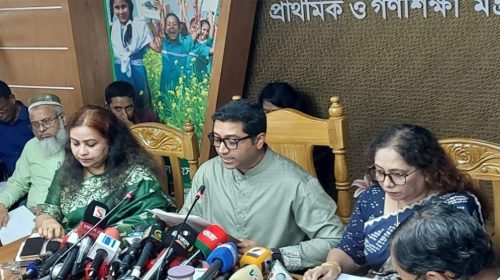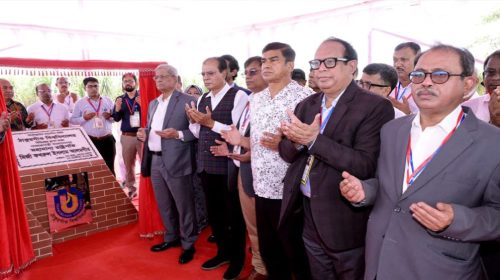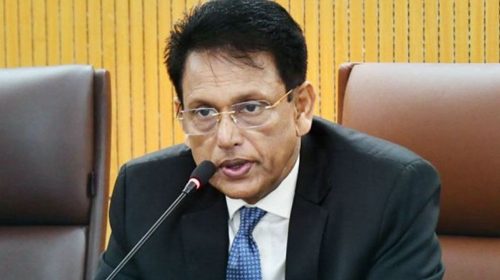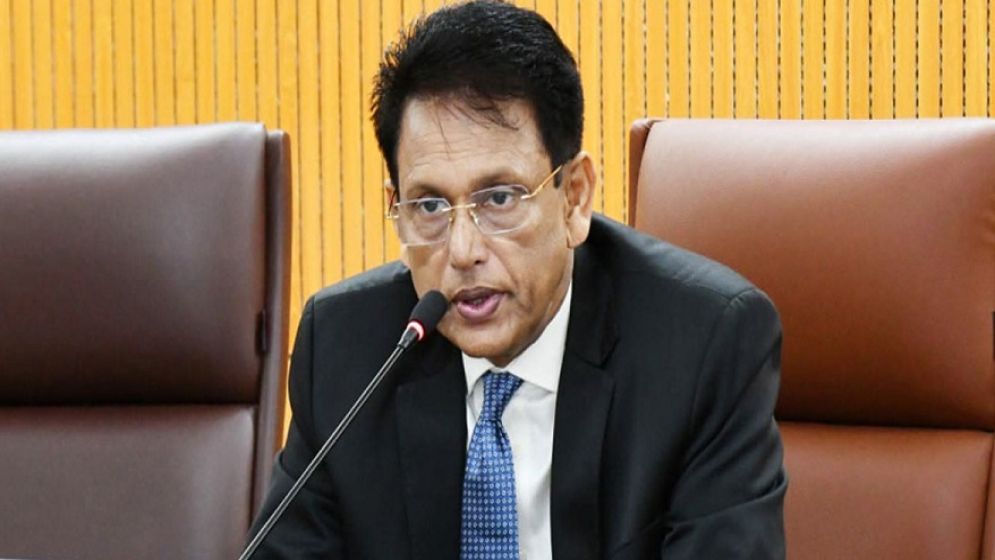
Education and Primary and Mass Education Minister Dr ANM Ehsanul Hoque Milon on Tuesday called for integrating Islamic education into Bangladesh’s national development agenda, stressing that it should extend beyond religious instruction to foster ethical values, skilled human resources and future leadership.
Speaking as the chief guest at the Best Institution Head and Outstanding Students Award Ceremony for Fazil and Kamil institutions affiliated with the Islamic Arabic University at the International Mother Language Institute in Dhaka, the minister said the ultimate goal of Islamic education is to develop morally responsible and competent citizens.
He emphasised that advancing the sector to international standards requires greater investment in research, qualified teachers and a modern, demand-driven curriculum.
Islamic education should produce future leaders
The minister said madrasa education should no longer remain confined to its traditional framework.
“We must develop the sector in a way that enables madrasa graduates to compete and lead at both national and international levels,” he said, urging the Islamic Arabic University to adopt a more research-oriented, strategic and effective role in improving higher Islamic education.
He also noted that previous limitations in the administrative and academic structure of madrasa education had prompted the government to pursue reforms aimed at creating a more integrated and efficient education system.
Dr Milon said efforts are also underway to strengthen the linkage between Fazil and Kamil programmes and mainstream higher education.
Need for skilled teachers and modern curriculum
Highlighting the growing importance of values-based education, the minister said Islamic education can make a significant contribution to promoting ethics and character-building within the national education system.
However, he stressed that achieving this objective requires qualified teachers, modern teaching methods and practical, updated curricula.
Referring to the shortage of teachers in the madrasa sector, he said many institutions are struggling to recruit competent educators, particularly those specialising in Islamic studies.
He urged the relevant authorities to play a more proactive role in curriculum development and improving the overall quality of education.
The minister also acknowledged salary-related complications faced by some newly appointed madrasa teachers, saying the issue is under active government consideration.
He added that the introduction of the Electronic Fund Transfer (EFT) system would make salary payments more transparent, efficient and convenient in the future.
Students urged to focus on knowledge and skills
Addressing students, Dr Milon encouraged them to prioritise knowledge, research and professional skills rather than merely obtaining academic certificates.
He said graduates of Islamic education should be equipped to contribute across all sectors of national development.
The government, he added, will continue expanding opportunities for Fazil and Kamil graduates to pursue higher education and compete in national career pathways, including the Bangladesh Civil Service (BCS) examinations.
The programme was chaired by Professor Dr Mohammad Abu Jafar Khan, Vice-Chancellor of the Islamic Arabic University.
Special guests included Abdul Khaleq, Secretary of the Secondary and Higher Education Division, and Professor Dr Khan Moinuddin Al Mahmud Sohel, Director General of the Directorate of Secondary and Higher Education (DSHE).
Vice-chancellors, principals, teachers and students from educational institutions across the country also attended the event.
Comment
Design & Developed by: BD IT HOST


 |
12 Septembertember, 2026
|
12 Septembertember, 2026