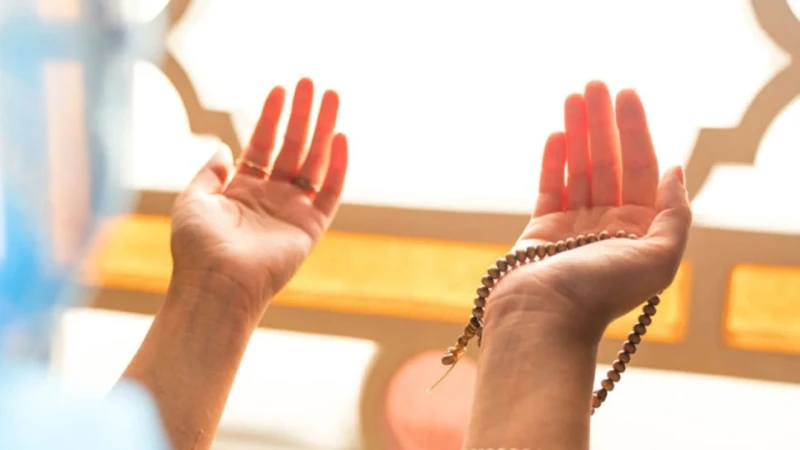
Dua (supplication) is one of the most powerful forms of worship in Islam, yet the acceptance of prayers requires sincerity, lawful means of living, and righteous conduct. The Prophet Muhammad (SAW) emphasized several key principles for supplications to be accepted.
1. Abstain from Sin and Haram:
The Prophet (SAW) said that one should avoid sinful acts, maintain family ties, refrain from associating partners with Allah (Shirk), and earn only from lawful (halal) sources. He narrated:
“A person travels long distances, exhausted, with unkempt hair and dust-covered clothes. He raises his hands to the sky and says: ‘O my Lord! O my Sustainer!’ Yet his food, drink, clothing, and livelihood are all haram. How could his dua be accepted?” (Jami` at-Tirmidhi)
2. Uphold Goodness in Society:
Dua will not be accepted if people fail to command good and forbid evil in society. The Prophet (SAW) stated:
“You must enjoin what is right and forbid what is wrong, or Allah will send punishment upon you, and your supplications will not be answered.” (Jami` at-Tirmidhi)
3. Sincere Heart and Conviction:
Scholars explain that a dua must come from the depths of the heart, with firm belief in Allah’s power to answer it. Hazrat Ibn Umar (RA) narrated:
“When you ask Allah, do so with firm conviction, for a distracted or inattentive heart leads to unanswered supplications.” (Sahih Targhib)
4. Avoid Harmful Requests:
Supplications must aim for good. The Prophet (SAW) warned against asking for harmful outcomes. Hazrat Abu Huraira (RA) reported:
“When you desire something, reflect carefully; your supplication may be granted in ways you do not anticipate.” (Majma’ al-Zawa’id)
Hazrat Umm Salama (RA) also narrated:
“Never pray against yourself with evil, for angels say ‘Ameen’ to your du’a.” (Sahih Muslim)
5. Never Pray for Harm to Self or Family:
Even in anger, distress, or hardship, Muslims should not pray for misfortune upon themselves, their children, or loved ones. Hazrat Jabir (RA) narrated:
“Do not wish ill upon your children or family, as Allah may answer your dua at that moment, granting what you undesirably ask for.” (Sahih Muslim)
6. Importance of Making Dua:
Some people refrain from making dua, thinking Allah already sees and hears everything. The Prophet (SAW) cautioned:
“The most powerless person is the one who cannot pray.” (Jami al-Saghir) *"Whoever does not supplicate to Allah, Allah becomes angry with him."* (Jami at-Tirmidhi)
Comment
Design & Developed by: BD IT HOST


 |
16 Aprilil, 2026
|
16 Aprilil, 2026 


